Pages

Wednesday, January 28, 2026

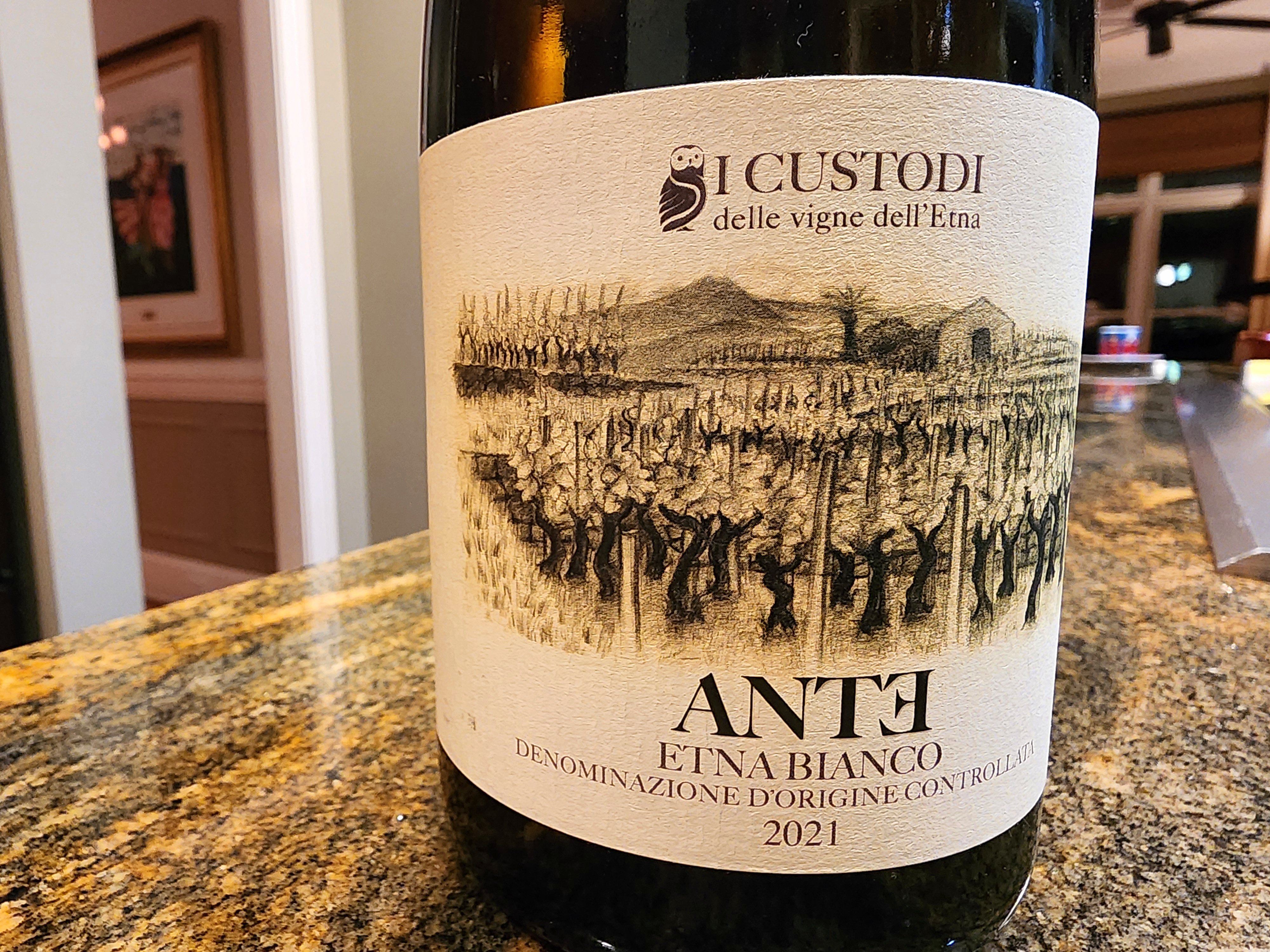
2021 I Custodi delle Vigna dell'Etna Etna Bianco Ante

 100% Carricante 

Nice finish to the evening listening to music. This needs a lot of air. I find Carricante as a varietal to be a bit fleshier than I would expect from a white wine produced from volcanic soils (?) ... but I'll leave it to people with more experience with these wines than me. Lemony goodness with a Sicilian saltiness on the finish... this is a well made wine IMO that will definitely gain additional complexity...


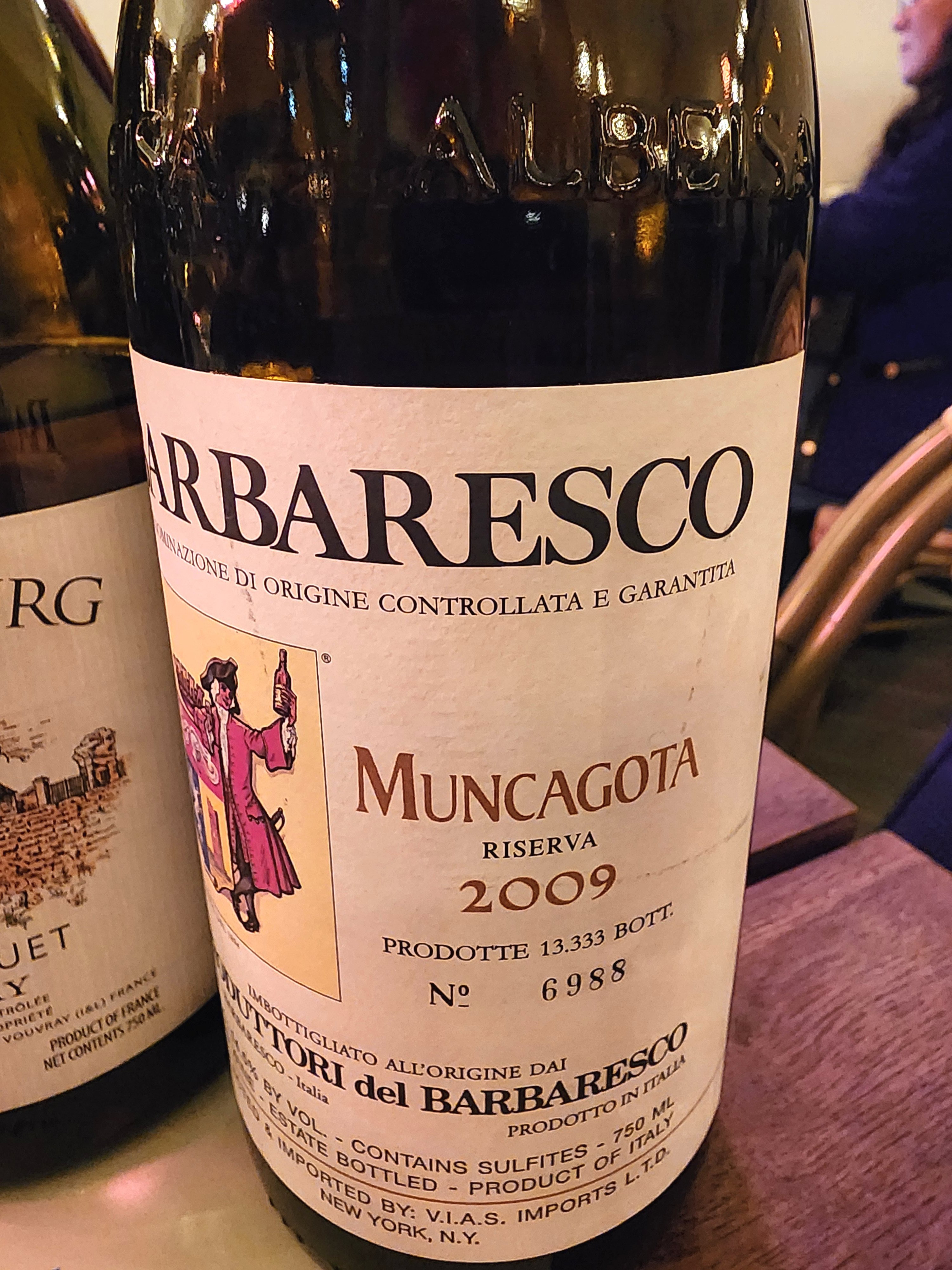
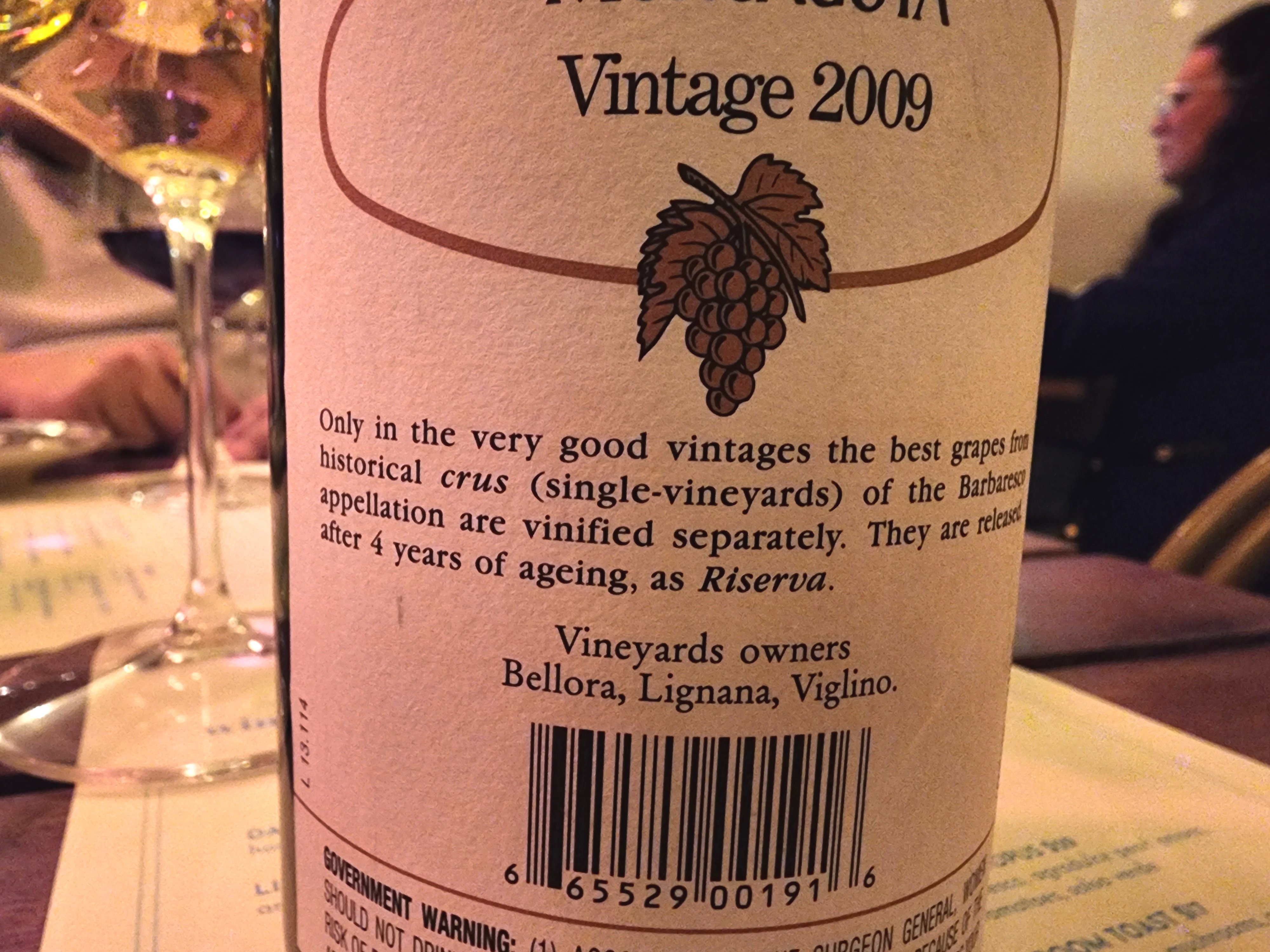
2009 Produttori del Barbaresco Muncagota Riserva

 This is the best 2009 PdB Cru I've had since drinking the 2009 PdB Montestefano in April 2018. This is a good bottle that went the distance tonight being the most food friendly (mainly seafood) of the reds. I've had tastier experiences with the 2008 PdB Crus ... but this '09 is spot on with plenty of go left in the tank based on consumption over several hours.. 👍🍷


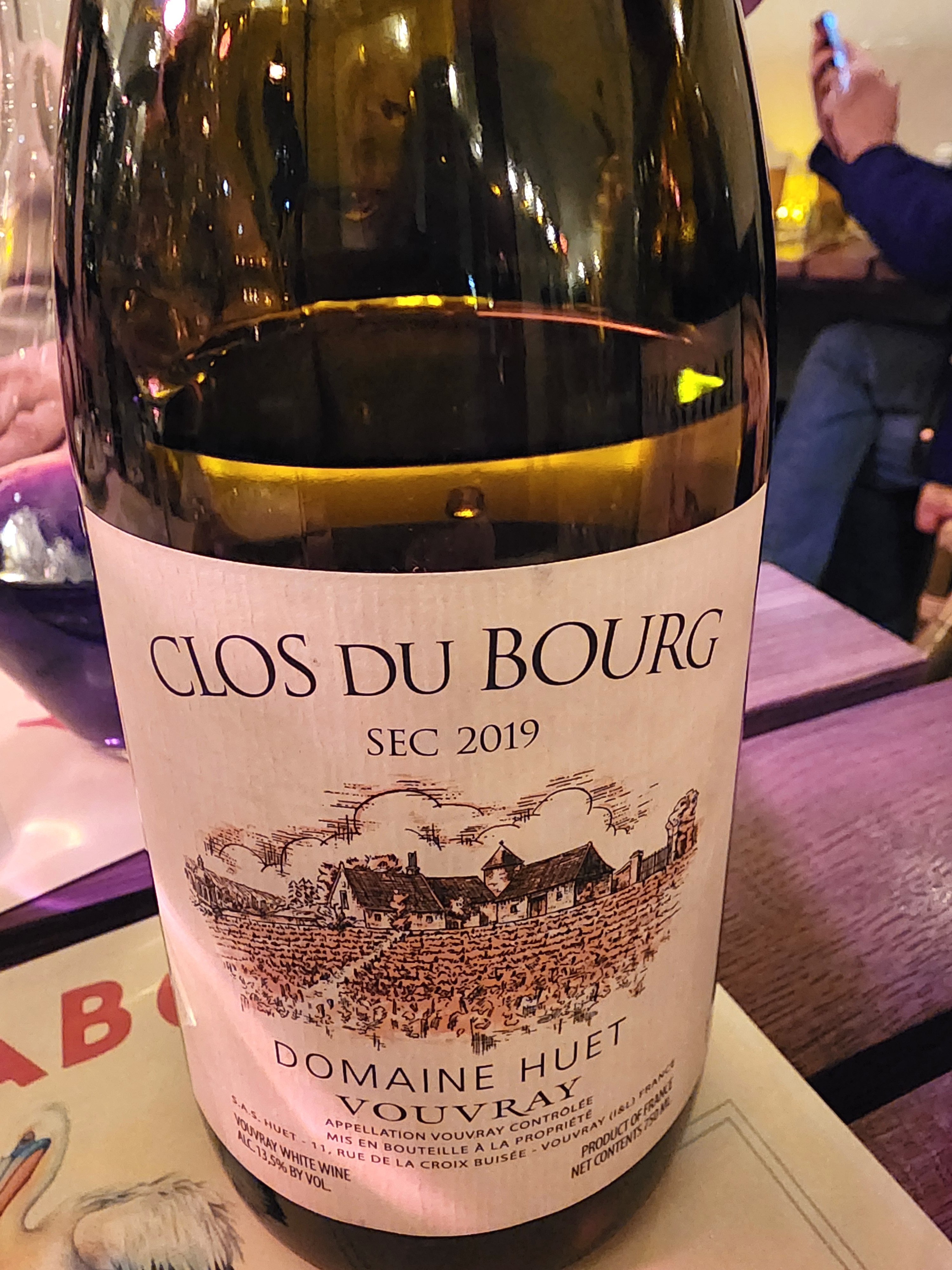
2019 Domaine Huet Vouvray Sec Clos du Bourg


Ideally, hold another five years. The perfume is notably the most beautiful I've experienced from this producer & cru. Read the reviews from Galloni and Reinhardt, they're spot on. Seriously good juice.


Paired with creole BBQ roasted oysters and grilled whole branzino..


Sunday, January 25, 2026

Chile, Lebanon and Italy


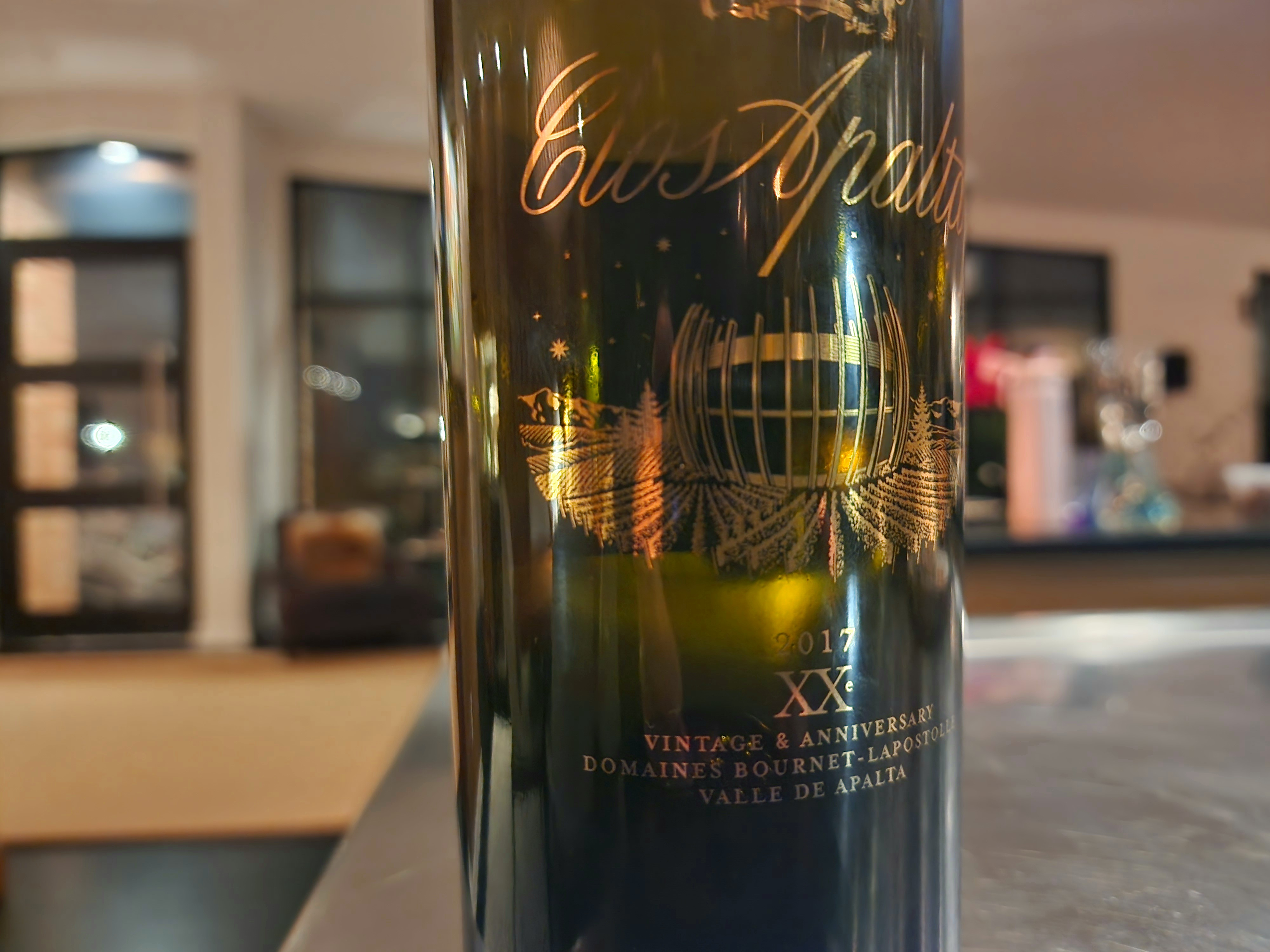
2017 Clos Apalta 20th Anniversary 
48% Carménère, 26% Cabernet Sauvignon, 25% Merlot, 1% Petit Verdot
Decanted for aeration..... minimal sediment... a joy to drink since my experience with high end Chilean is limited.... so well balanced as all great wines are ... beautiful blend of varietals.... 

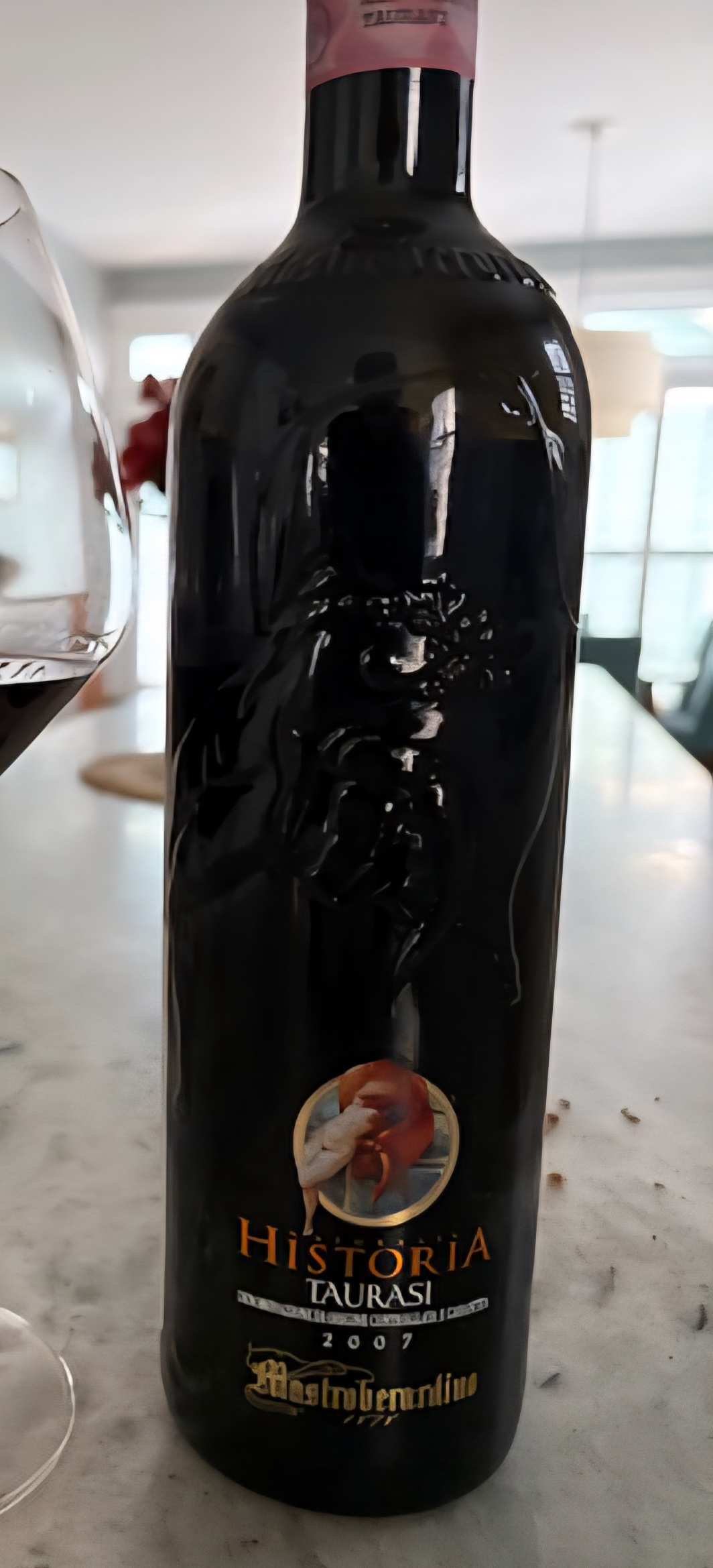
2007 Mastroberadino Taurasi Naturalis Historia
100% Aglianico
A perennial favorite... rich vintage ... aged beautifully...such a classically delicious Taurasi... sourced from the Mirabella vineyard that was planted in 1972.

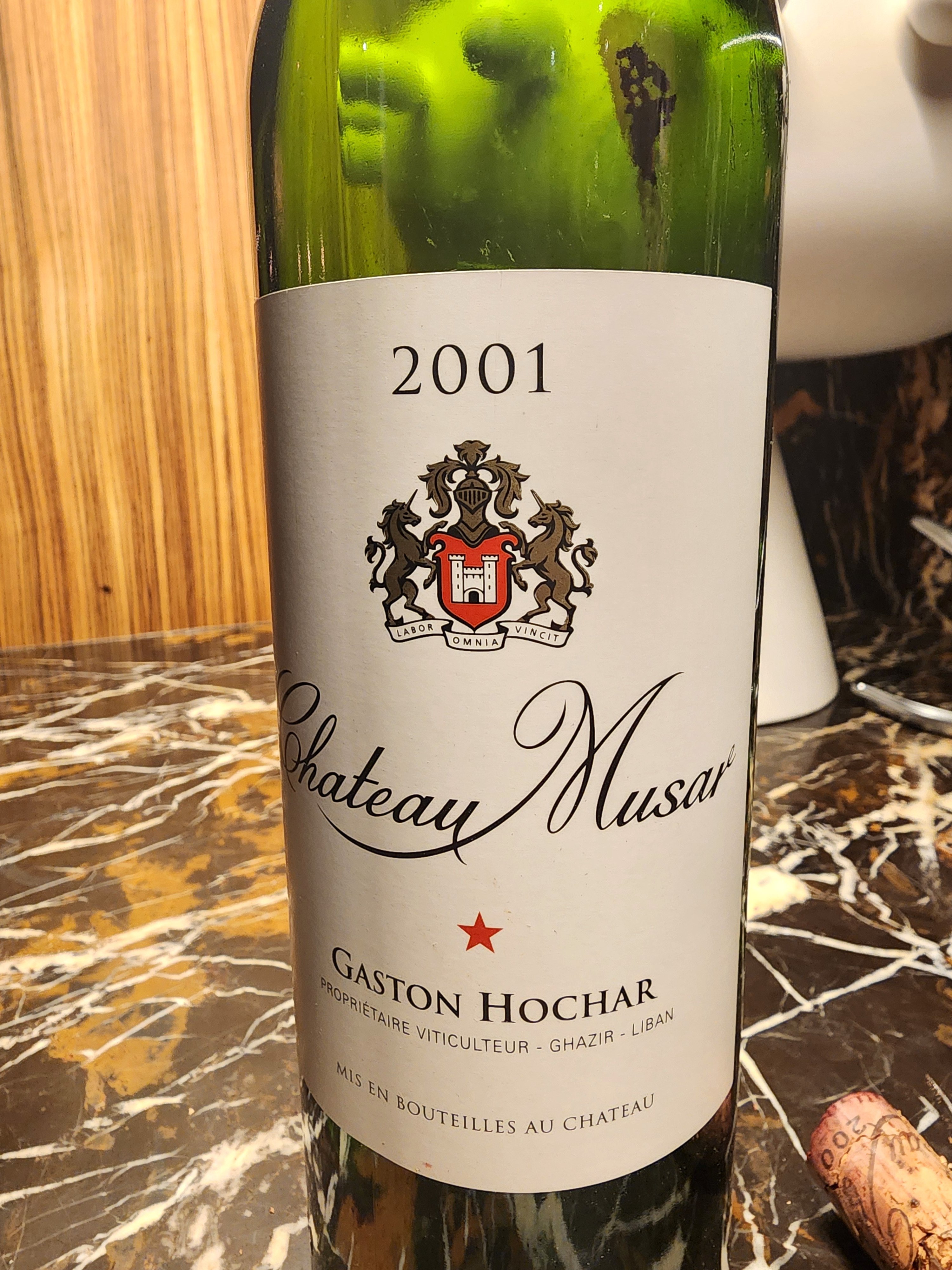
2001 Chateau Musar Rouge
Cabernet Sauvignon, Carignan and Cinsault
Sort of a cult wine I always love to drink.  This bottle showed well and exhibits a classic savoriness to the medium weight earthy dark fruit palate. 

Paired well with the aforementioned pit-smoked meats... pork butt, pork ribs, beef brisket, turkey... accompanied by collard greens, grilled brussels sprouts and hush puppies.


Saturday, January 24, 2026

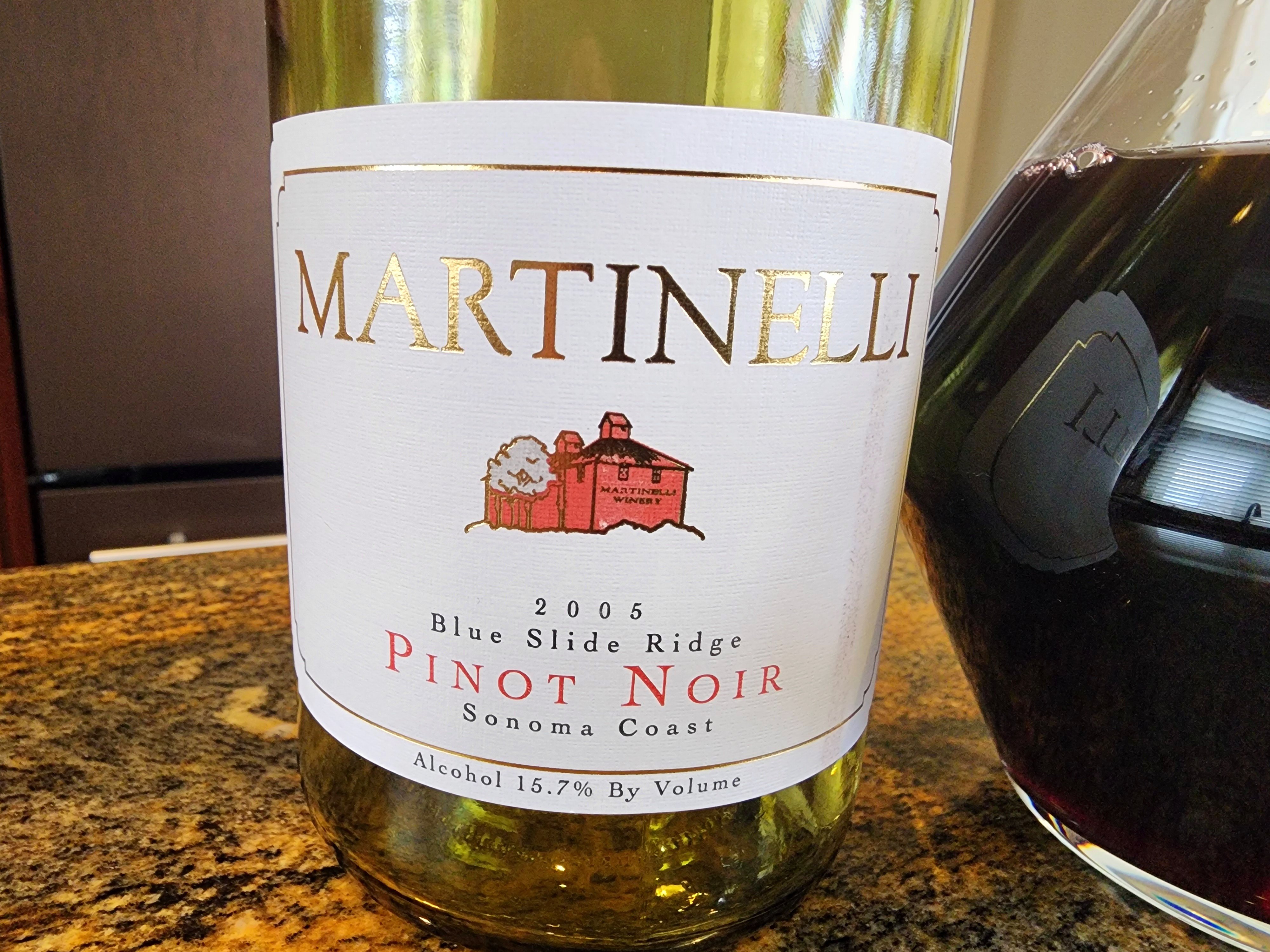
2005 Martinelli Pinot Noir Blue Slide Ridge Vineyard


Spectacular from the get-go, opening up nicely over the course of several hours. Gorgeous perfume spilled forth on opening the bottle .... decanting helped to remove sediment (there was a lot). 

Parker originally commented years ago on this particular 2005 BSR being "Richebourg-like". The fruit is very generous... it's not a shy wine but is balanced for +15% abv. Really long beautiful fruit finish... no heat. 

Paired wonderfully with a range of pit-smoked meats... pork butt, pork ribs, beef brisket, turkey... with collard greens and brussels sprouts and hush puppies.
As good of an aged pinot noir as I've had from anywhere recently ...

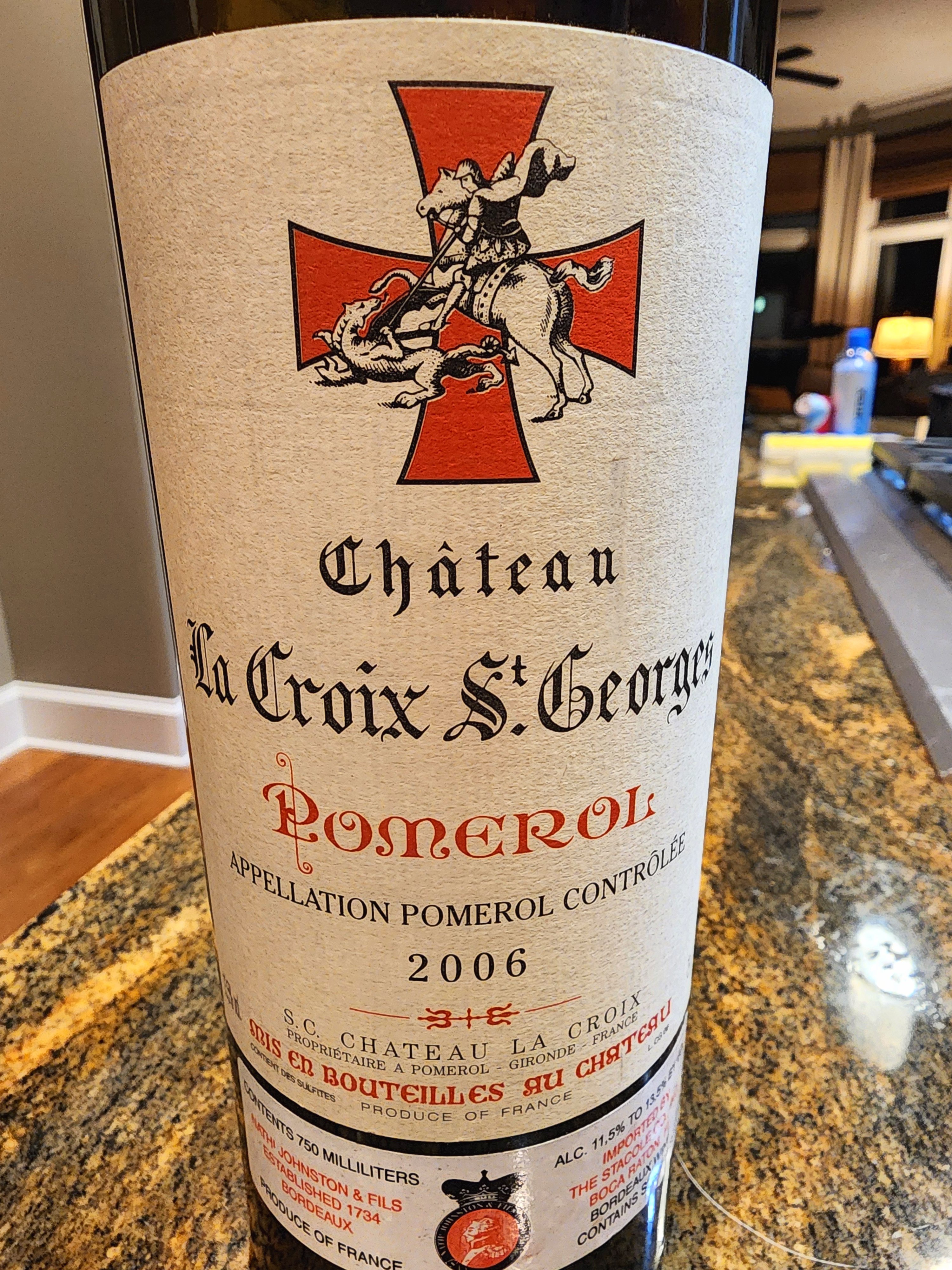
2006 Chateau La Croix St. George

 This was a nice surprise because I rarely get to drink Pomerol. I really enjoyed this wine a lot... nicely aged right bank Merlot...actually a pretty big wine fruit and tannin-wise, balanced by a mouthwatering level of acidity... popped and poured and decanted... showed best after a couple of hours or air... interesting to drink a 2006 Barolo and 2006 Pomerol in the same night... paired simply with gouda and some cashew/macadamia mix...post dinner...


Friday, January 23, 2026

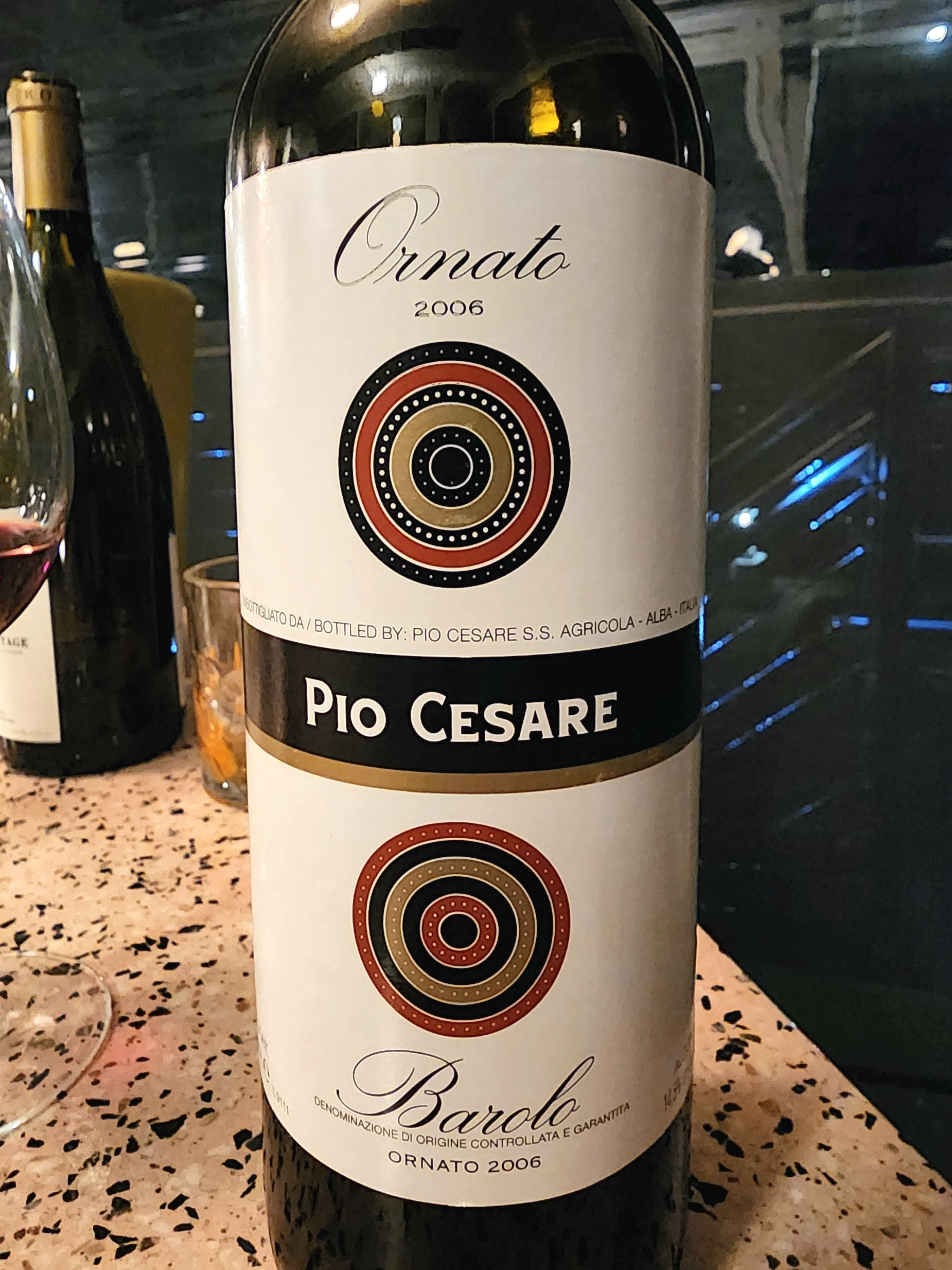
2006 Pio Cesare Ornato

 Devilishly tasty from the beginning after 5 hours slow ox reflecting classic, elegant structure.. bright fruit supported by fine filigreed tannins....

....likely one of the more approachable 2006 Barolo's I've had recently... showing best five hours later at the end of the evening.... certainly one of the better Ornato's I've had...

....paired interestingly with blackened catfish filet over locally milled grits served draped with a delicious shrimp étouffée served hot and piping... sort of a variation on low country shrimp and grits but with a blackened catfish filet added...

Getting back to the wine... really delicious... 👍👍👍👍🍷

Wednesday, January 14, 2026

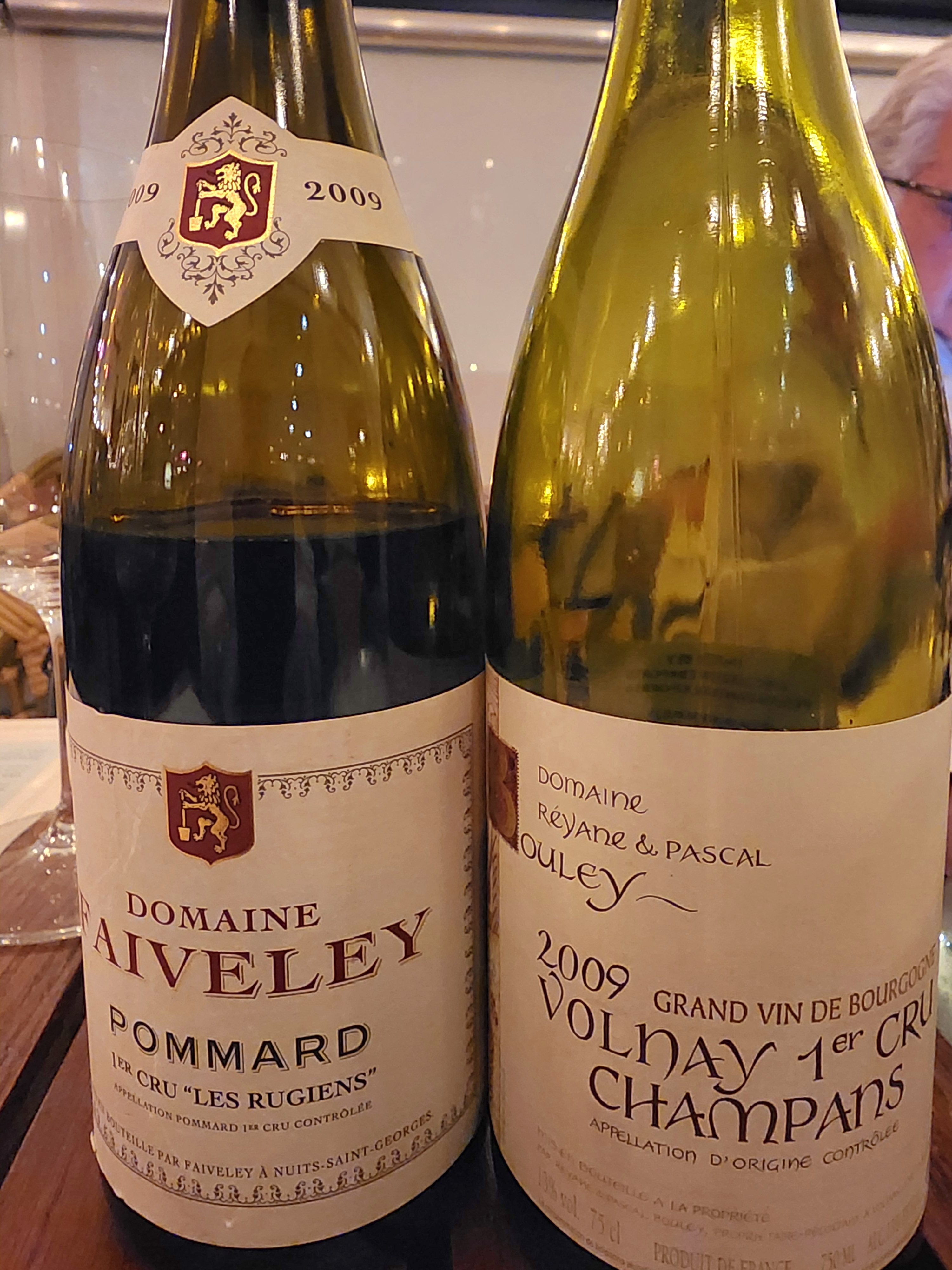
2009 Côte de Beaune


2009 Faiveley Pommard Les Rugiens

2009 Domaine R & P Bouley Volnay Champans

Honestly, if these had been served blind,  I would have mixed up these wines. 

The Les Rugiens was more approachable (but had been slow o'd for hours). The Champans was splash decanted and aerated only an hour. 

The early favorite was the Les Rugiens but the Champans became more attractive as the dinner progressed showing a bit more food friendly acidity...

Tuesday, January 13, 2026

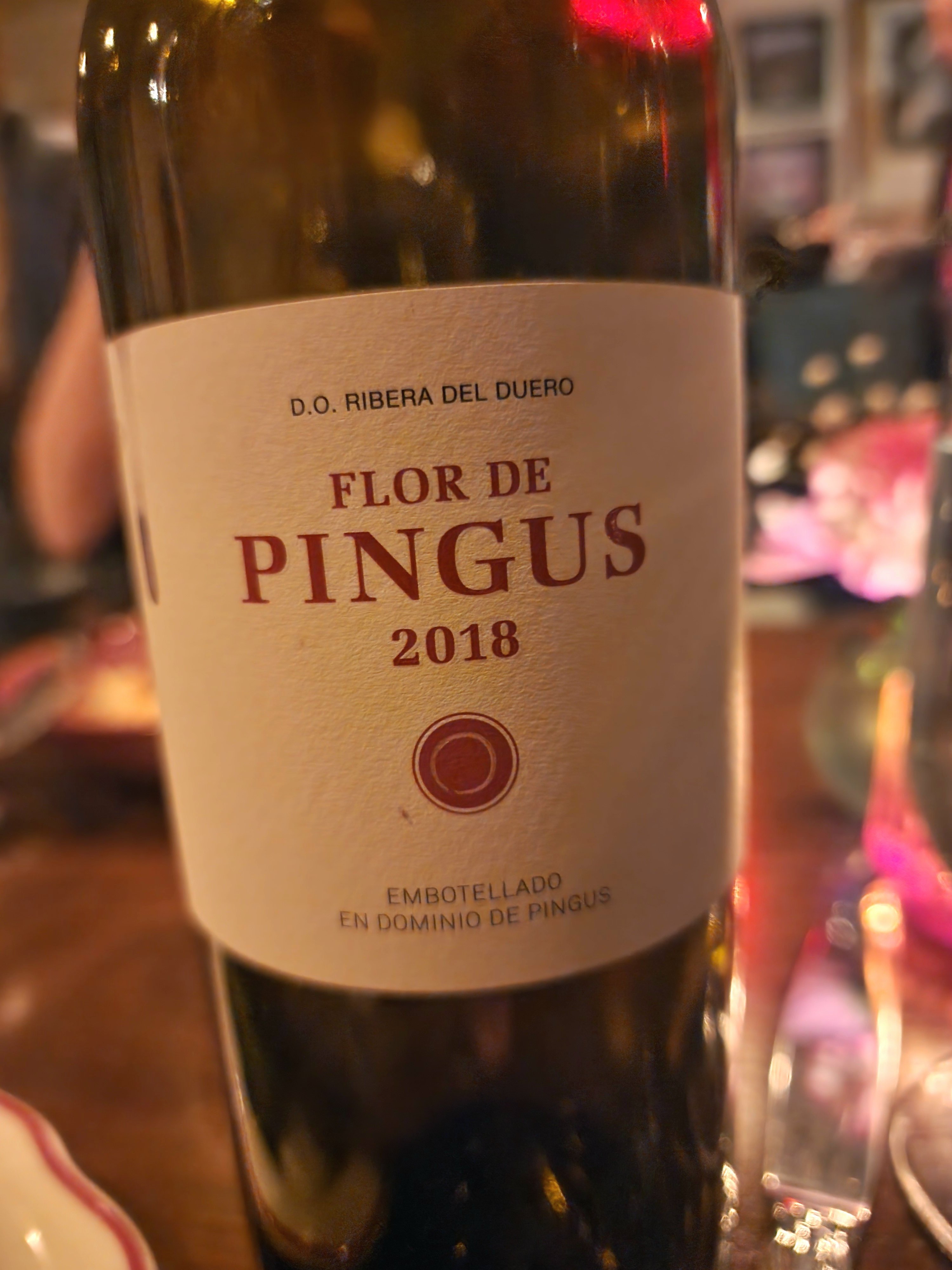
2018 Pingus Flor de Pingus

 If you hang around with Ken over at Seaboy, you never know what he'll pour!.... 

The truism of a great wine is balance and beautiful fruit, especially in Ribera Del Duero...
This is a young wine that is showing beautifully today.
...and certainly is a reflection of Peter Sisseck's leadership...
....

Producer notes...
All of the estate vineyards are certified organic, and this is pure Tinta del País, the local strain of Tempranillo, from 40 hectares in five different locations (parajes) of the village of La Horra where the Pingus vineyards are also located. It fermented with natural yeasts and also natural malolactic and matured for 18 months in French oak barrels, 25% new.

I suppose one of the big differences is French oak used in Ribera del Duero vs American oak in Rioja?


2017 Vega Sicilia Oremus Tokaji Aszu 3 Puttonyos


I don't indulge much in Tokakji dessert wines (Furmint) so this was a treat! Paired with carrot cake a la Joan Dressler..

I wasn't aware that Vega Sicilia has a presence in Hungary...

Producer notes..
"...The production of Aszú wine (teardrop wine) is a meticulous process only possible in exceptional vintages and under particular conditions which promote the development of "Botrytis cinerea" (noble rot). For hundreds of years it has been made in the same manner, adding to a "Gönc" barrel (136 litres) of must, 3 panniers (puttonyos) of 25 kg of noble Aszú berries. Aszú berries are macerated until swollen and later gently pressed. Fermentation takes place in new Hungarian oak barrels; a slow process which can take up to four weeks. The ageing process is completed in 136 and 200 litre barrels for 2 years and bottled for an additional year...."

2006 Monforte d'Alba and 2006 Castiglione Falletto

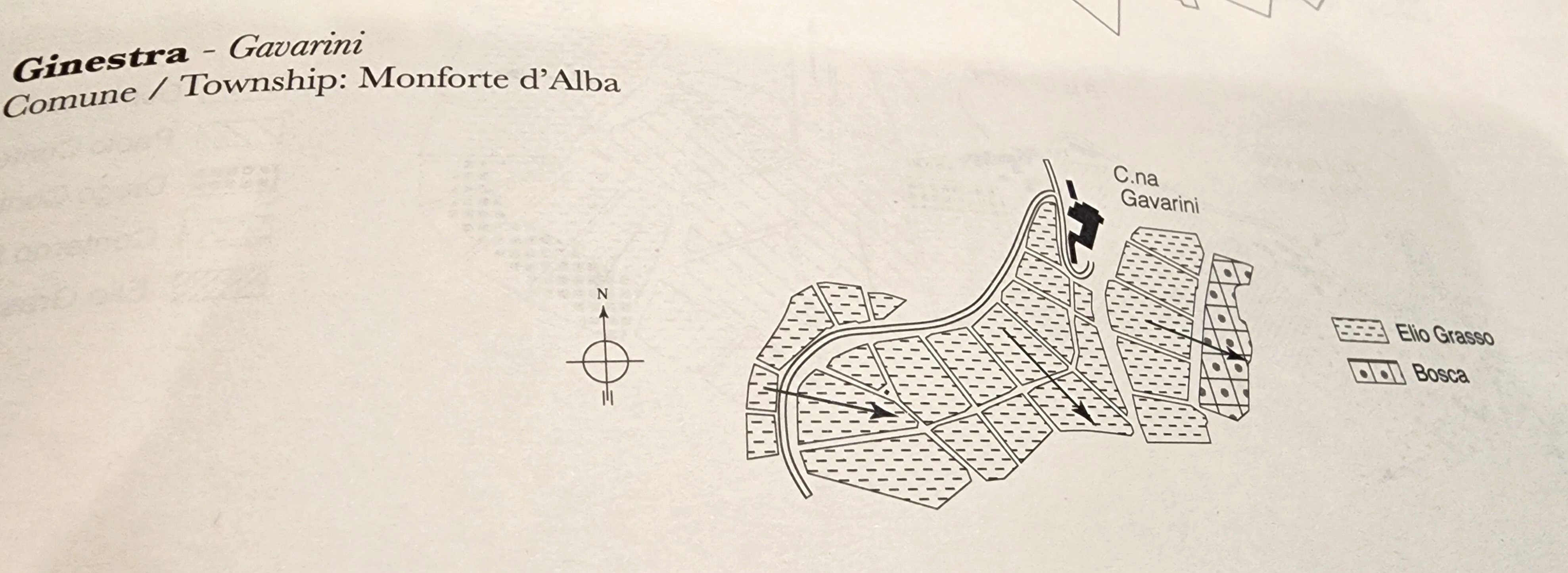
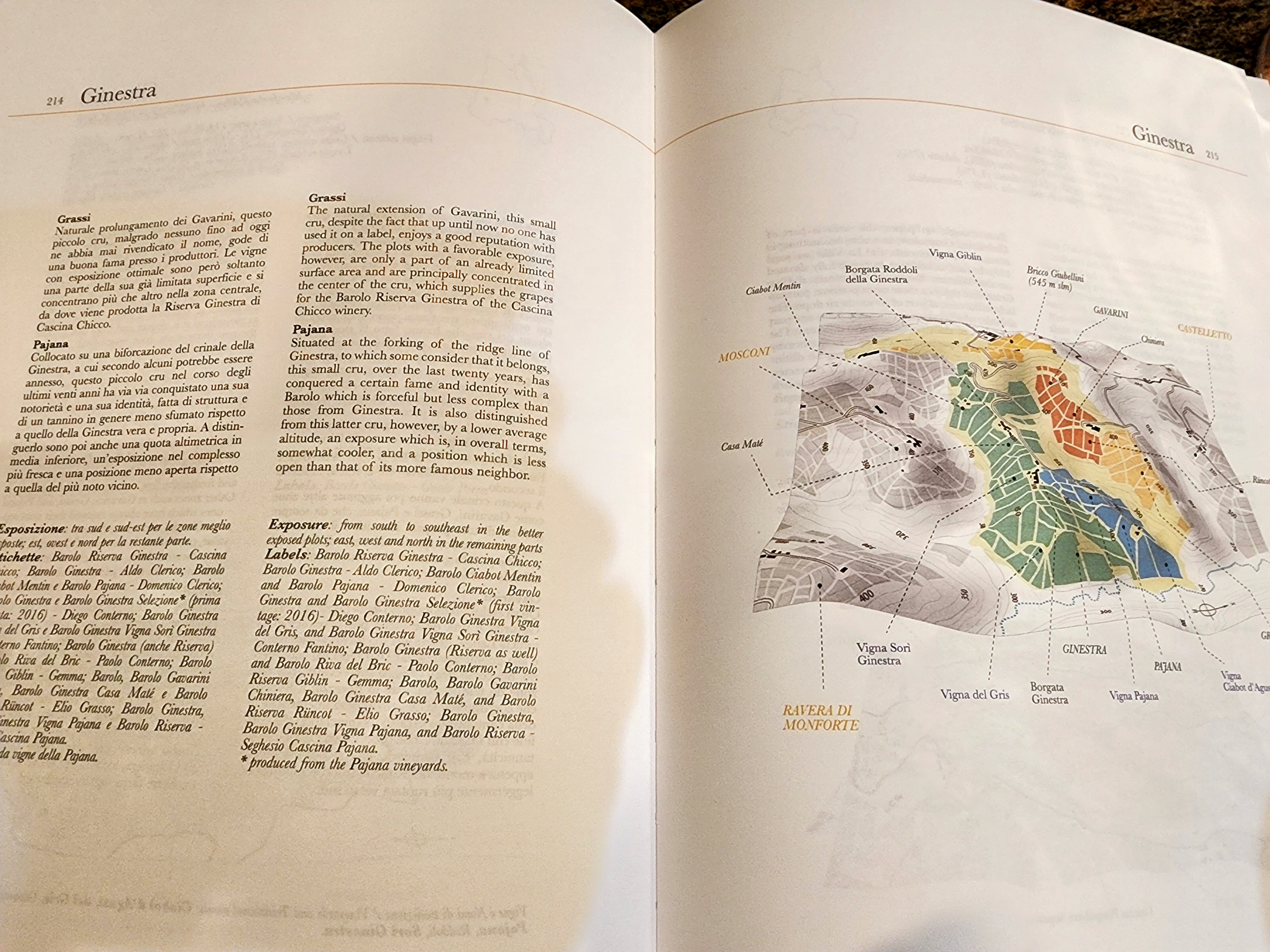
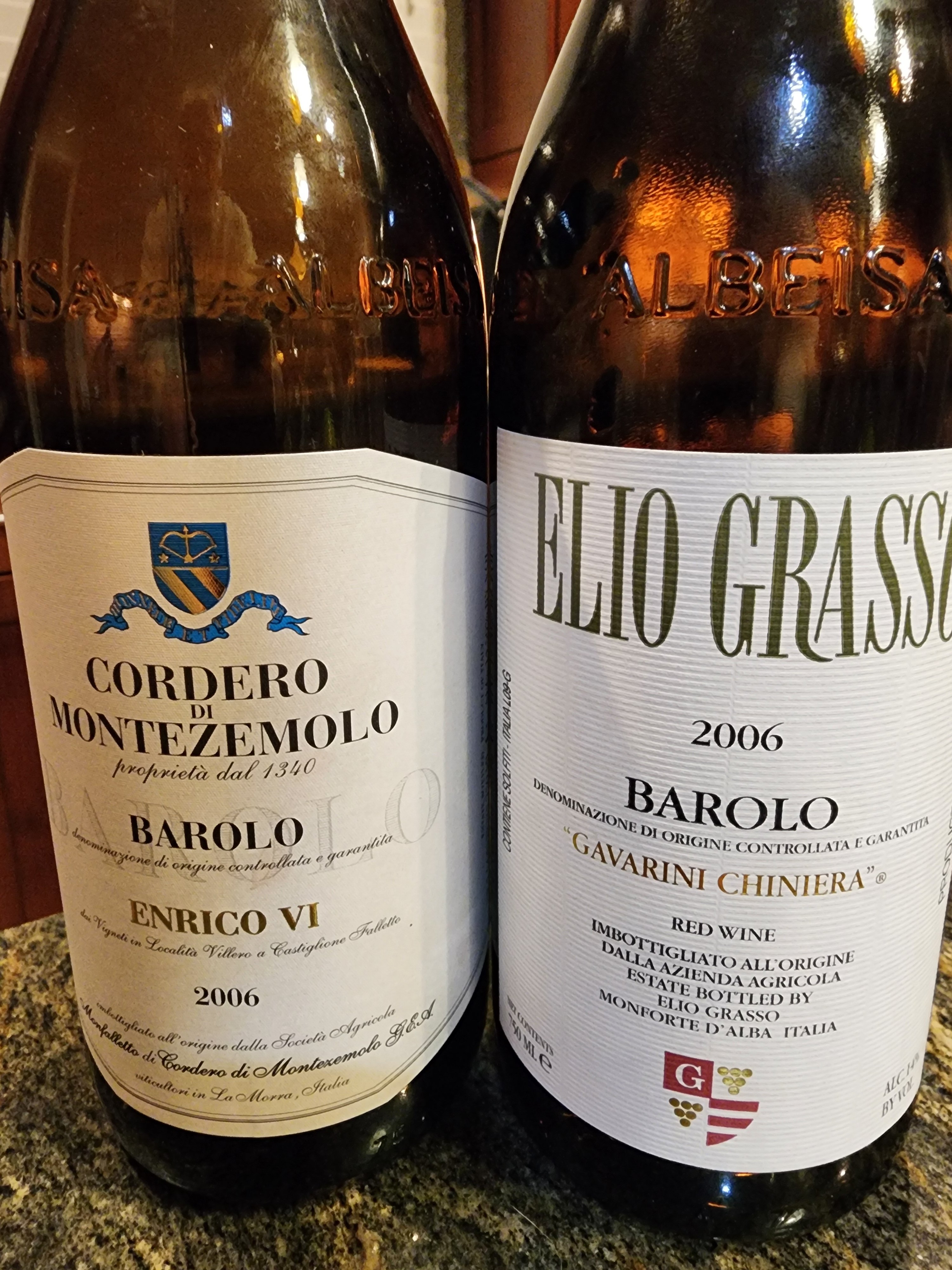
2006 Elio Grasso Barolo Gavarini Chiniera (Ginestra)
More approachable than the Enrico VI... very tasty...this went right away... 


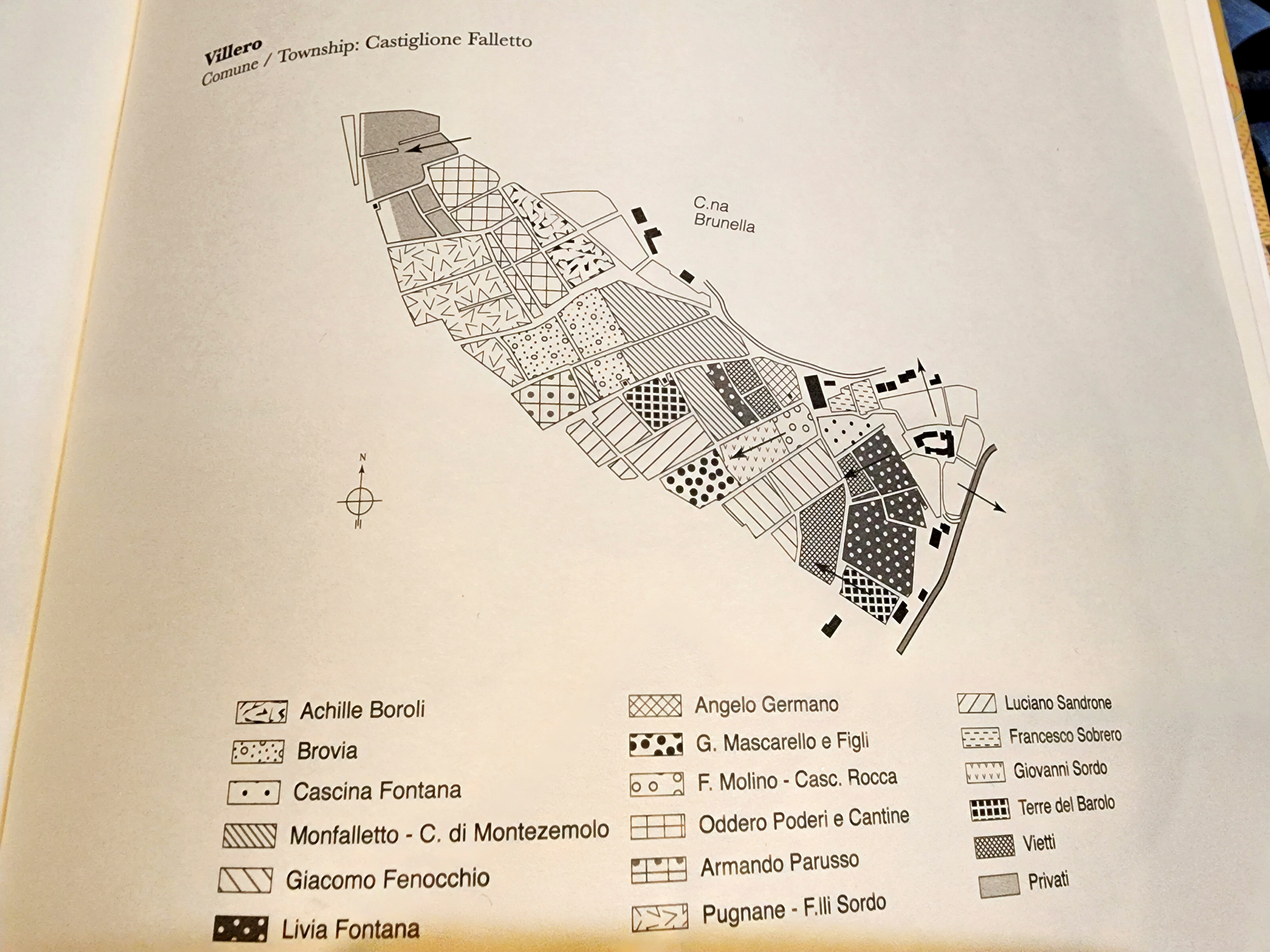
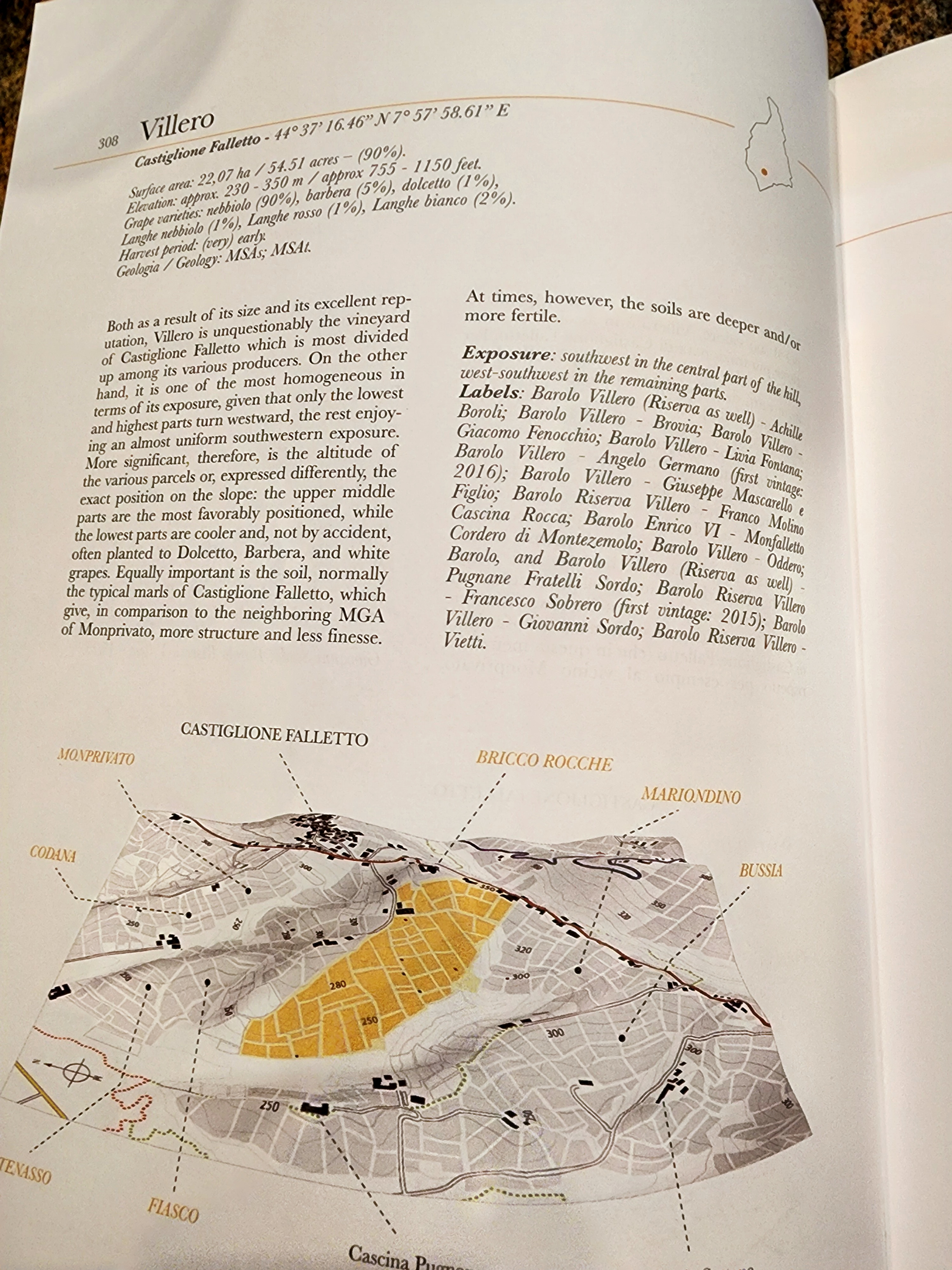
2006 Cordero di Montezemolo Barolo Enrico VI (Villero)
Young... but showed better after vacuum seal and trying again a few days later ... I must admit having a weakness for this wine in vintages 1996, 1997, 1998... much richer wines...


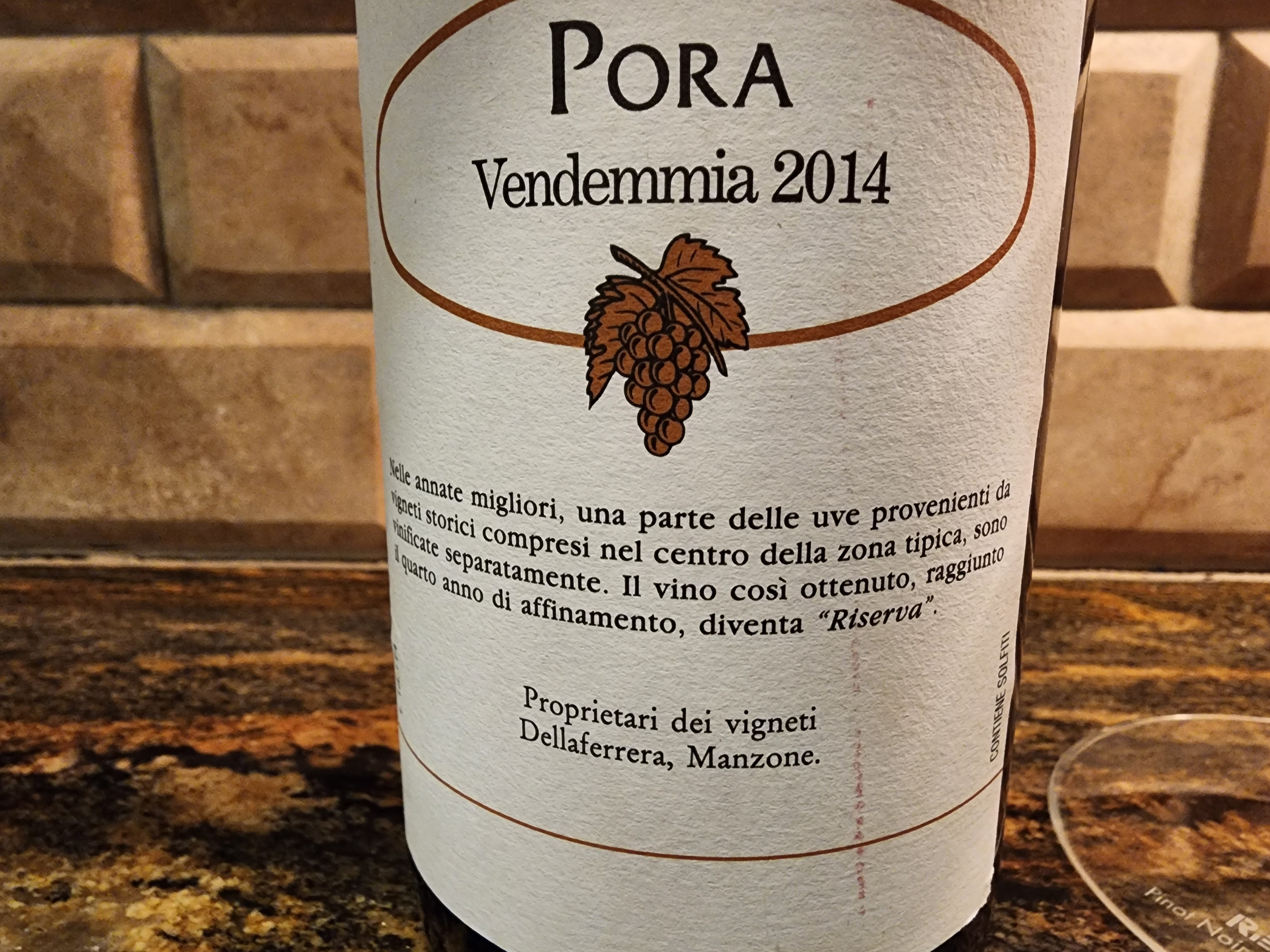
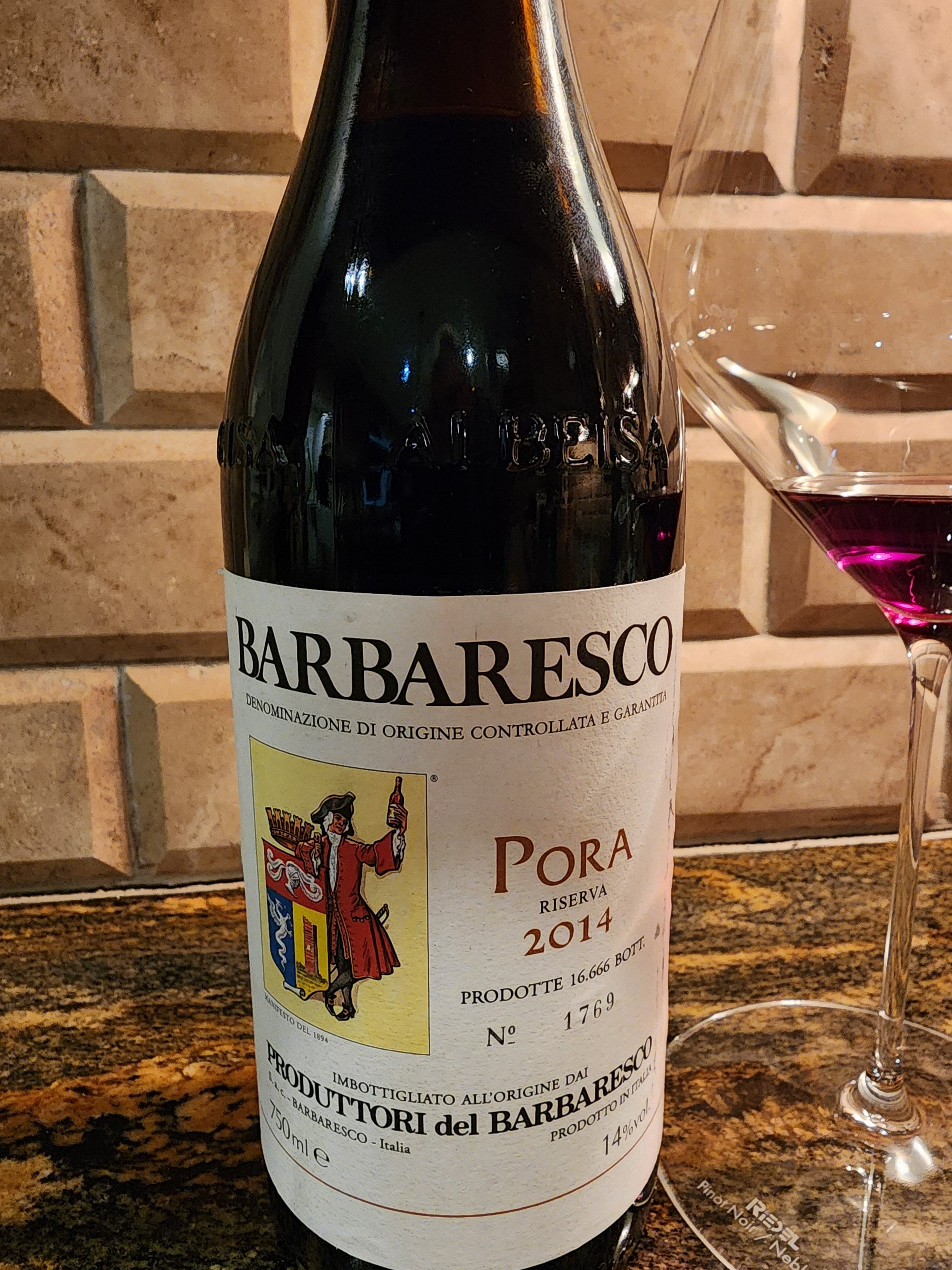
2014 Produttori del Barbaresco Pora Riserva

 Opened this to preview it for a match with smoked pork butt tomorrow. Yummy stuff. Super vibrant up front fruit with delightfully finessed supportive tannins. Pora is first in the recommended drinking order for 2014 vintage from Signore Vacca. If you're on the @"Philippe Richer" drinking preference age-wise with Cru Barbaresco,  then hold for another 5 years... it's got plenty of gas in the tank. 🍷👍 

Not a crime to open one now. ..


Consumed using the Riedel Veloce Pinot Noir/Nebbiolo stem, which is essentially a more elegant version of the Riedel Extreme Pinot Noir glass (the durable workhorse standard for Piemonte Nebbiolo) . 

------

17th January 2026

Just a follow up....

Several days later under vacuum seal .... this has actually closed down slightly compared to initial uncorking...so, this is an easy hold on the drink/hold spectrum... I'm inclined to pop a 2016 PdB Pora in the coming months just to compare...

The 2014 really isn't giving as much as I would've liked after being open, which indicates it is a quite classical wine that needs maybe 20 years in the bottle to hit peak...which bears out @"Philippe Richer" 's classical palate taste.

Although, TBH, my references are 2008 and 2001 PdB crus, which seem to have a more elegant fruit foundation that's prettier (?)...

.............


A full four days later,  there's a sturdy (semi-tertiary) fruitburst that hints at the aging potential... 


Thursday, January 1, 2026

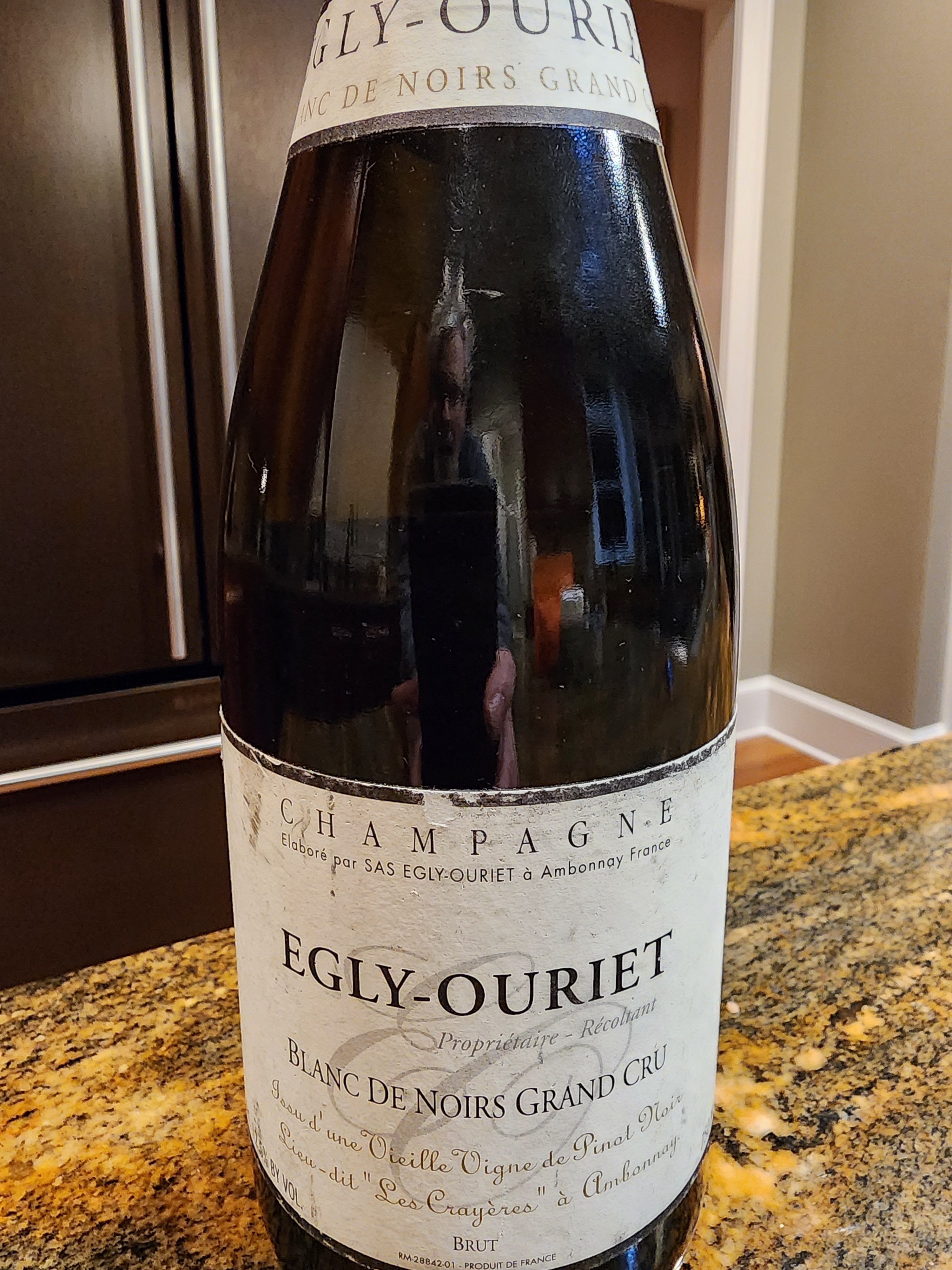
NV Egly-Ouriet Brut Blanc de Noirs Les Crayeres Grand Cru


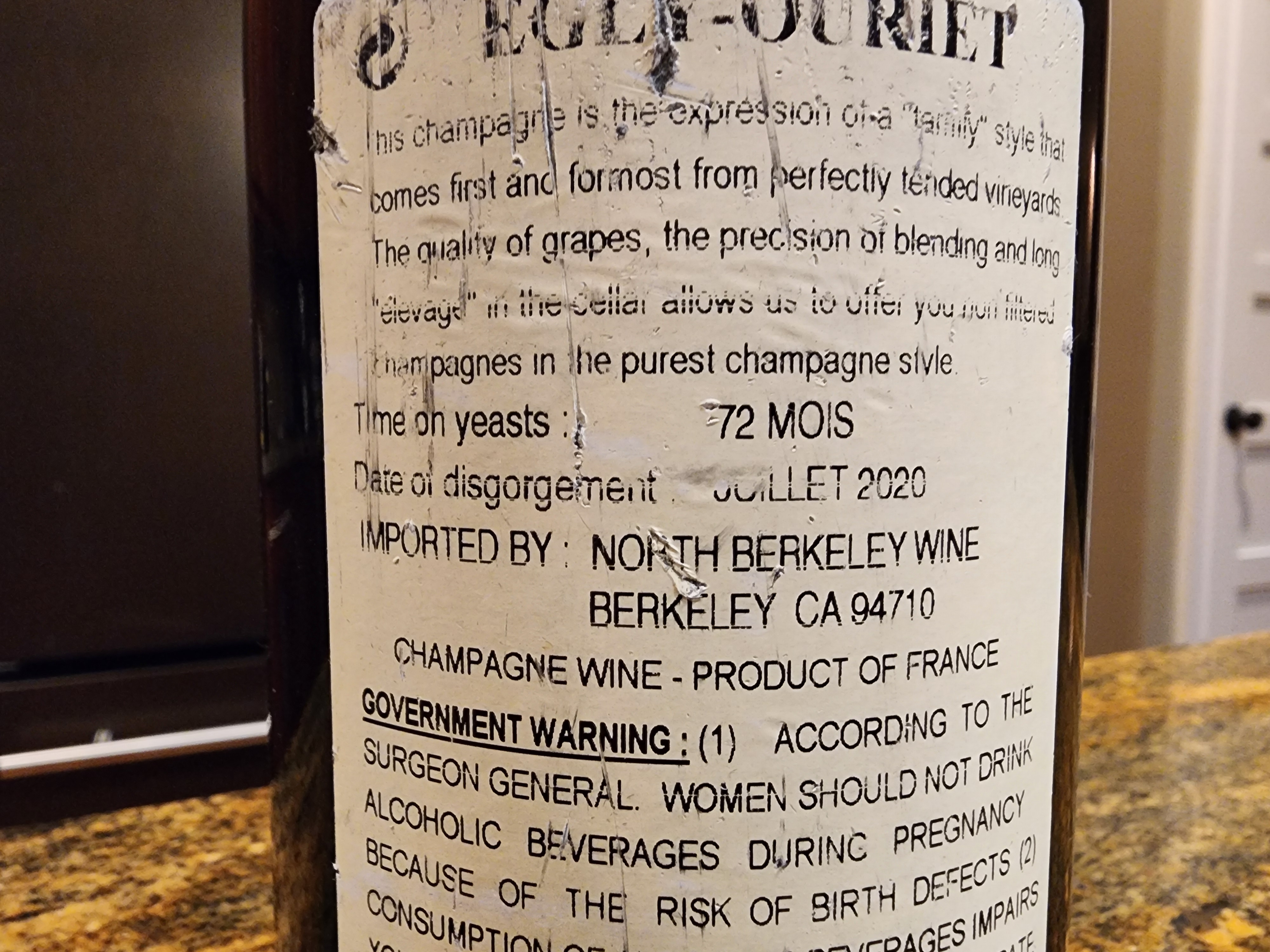
 (deg July 2020, 72 months on the lees)

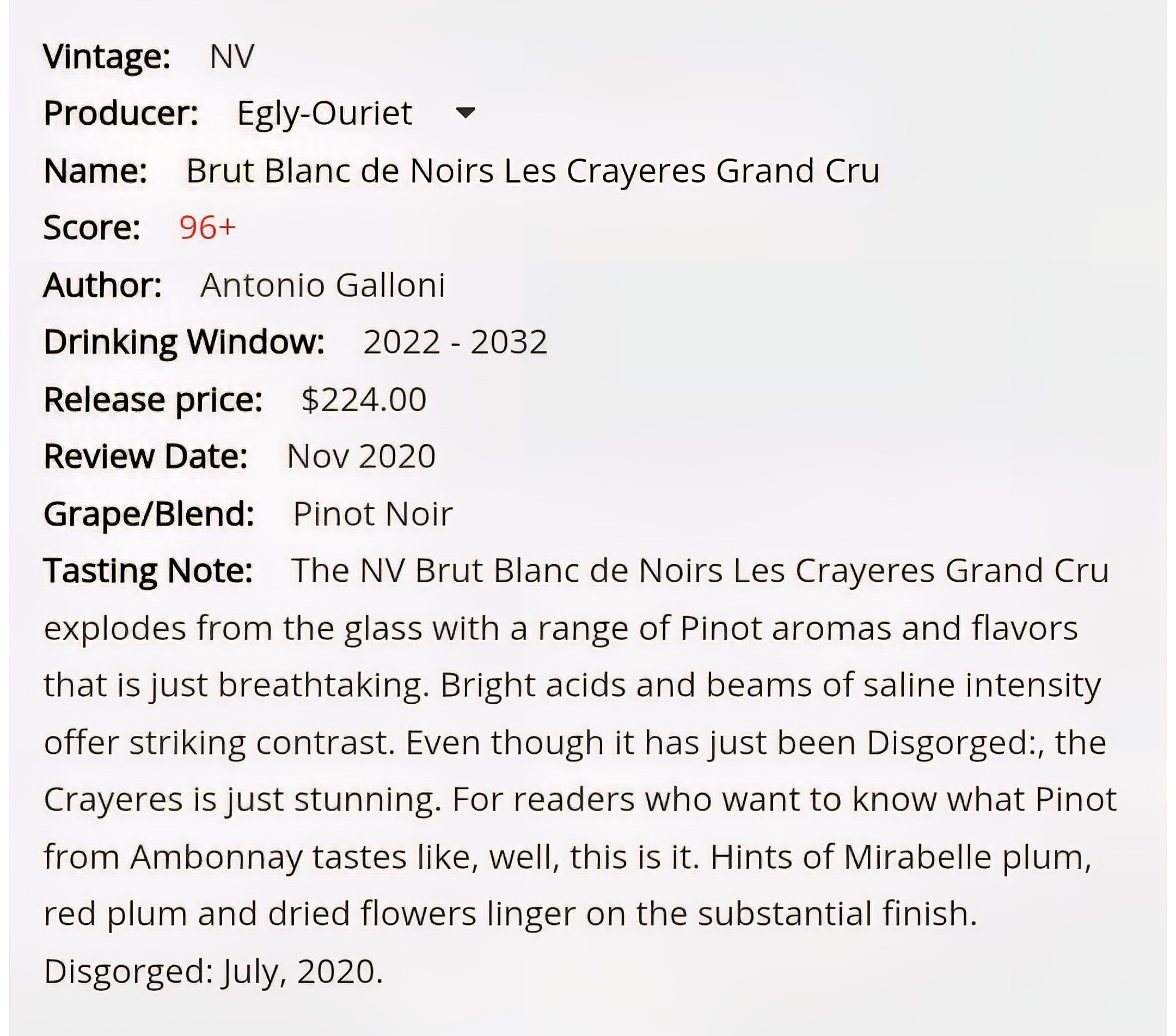
Wow! Finally, I drink one of these bottles at peak and it's a beauty. I would drink up by the recommended date from the AG review. It's just in a superb zone now as far as palate and aromatics. I have drank these too early. Fortunately, this one is prime time. The whole mirabelle plum thing is spot on as a descriptor. Really one of the most unique bottles of Champagne that I've had in a while. As @"Don Vogt" mentioned,  thanks to @"Marius Fries" for turning us onto Egly-Ouriet. As I recall, Marius makes an annual visit to the winery to pick up his allocation. 

Paired with a creole oysters at Seaboy that reminded of the ones at Commander's Palace and whole charcoal grilled branzino. 


Well, here's what ChatGPT5 says about base year and reserve wines for July 2020 disgorgement of Egly-Ouriet BdN....

--------
For the Egly-Ouriet Blanc de Noirs Les Crayères disgorged in July 2020, the base vintage is 2012, with a significant proportion of reserve wine from 2011.
• Base year: 2012
• Reserve wines: ~40% from 2011 (Continental Wine & Spirits)
This aligns with Egly-Ouriet’s typical approach at the time: a dominant single base vintage backed by a large, high-quality reserve component, rather than a broad multi-year blend.
Contextually, that July 2020 disgorgement sits in a sequence:
• 2018 disgorgement → roughly 2011/2010 blend
• 2019–2020 disgorgements → shift to 2012 base
• Later releases (2023–2025) → move into 2016–2020 bases
If you want, I can map out a full disgorgement/base-vintage timeline for Les Crayères—it’s one of the clearest ways to understand how Egly tracks ripeness and structure year-to-year.
Here’s a clean disgorgement → base vintage timeline for Egly-Ouriet Blanc de Noirs “Les Crayères”, based on importer data, back labels, and collector tracking. Egly is unusually consistent, so the pattern is quite readable:

───

Egly-Ouriet Les Crayères — Disgorgement Timeline
2016 disgorgement
→ Base: 2008
→ Reserve: ~2007
A tightly coiled, high-acid release—very “08” in profile.
2017 disgorgement
→ Base: 2009
→ Reserve: ~2008
Riper, broader, more immediate.
2018 disgorgement
→ Base: 2010–2011 transition (most bottles lean 2011)
→ Reserve: ~2010
A slightly uneven period stylistically—weather-driven.
2019 disgorgement
→ Base: 2012
→ Reserve: ~2011
Return to power and precision—classic Egly structure.
2020 disgorgement (your bottle)
→ Base: 2012
→ Reserve: ~2011
Same core material as 2019 disg., but more time on lees → deeper, more integrated.
2021 disgorgement
→ Base: 2013
→ Reserve: ~2012
Higher acid spine, more vertical and tense.
2022 disgorgement
→ Base: 2014
→ Reserve: ~2013
Cooler year expression—mineral, slightly austere young.
2023 disgorgement
→ Base: 2015
→ Reserve: ~2014
Richer, solar, more immediate charm.
2024 disgorgement (early sightings)
→ Base: 2016
→ Reserve: ~2015
Structured, classic, ageworthy.

───

How to Read the Pattern
Egly essentially runs a “1-year dominant base + 1-year reserve” system:
• Typically ~60% base vintage
• ~40% reserve wine from the immediately prior year
• Very long lees aging (often 5–7+ years before disgorgement)
So instead of a broad NV blend, you’re effectively tasting a “delayed-release quasi-vintage Champagne”.

───

Why Your July 2020 Disgorgement Matters
Your bottle (2012 base / 2011 reserve) sits in one of Egly’s strongest modern windows:
• 2012 → dense, powerful Pinot Noir from Ambonnay
• 2011 reserve → adds softness and early approachability
• Extended lees aging → amplifies texture, hazelnut depth, and integration
Net effect:
Broad-shouldered, vinous, almost Burgundian Champagne—arguably peak Egly style.

───

If you want, I can go one level deeper and map vineyard parcel composition inside Les Crayères and how that interacts with each base vintage (that’s where things get really interesting).

Now we’re getting into the marrow of the wine—the part that explains why Les Crayères feels so different from almost anything else in Champagne.

───

The Vineyard Core of Egly-Ouriet “Les Crayères”
Despite the singular name, this cuvée is effectively a selection from old-vine Pinot Noir parcels in Ambonnay, not one contiguous clos.
Primary source: Ambonnay
• 100% Grand Cru Pinot Noir
• South / southeast exposures dominate
• Naturally produces broad, structured, deeply colored base wines

───

Key Parcels Feeding “Les Crayères”
1. Crayères (core parcel)
• Classic Campanian chalk (craie) subsoil
• Thin topsoil → low vigor, high concentration
• Drives:
◦ Salinity
◦ Chalky grip
◦ That tactile “powdered stone” finish
This is the architectural spine of the wine.

───

2. Vignes Goisses–like slopes (Ambonnay sector, not to be confused with Mareuil)
• Steeper, warmer exposures
• More clay mixed into chalk
Contributes:
• Riper fruit tones (black cherry, plum skin)
• Broader mid-palate
• A slight feral / savory edge in warm years

───

3. Old-vine massale selections (50–70+ years old)
• Low yields, small berries
• High skin-to-juice ratio
This is critical for:
• Phenolic depth
• That almost still-wine Burgundian texture
• Ability to handle low dosage without feeling austere

───

Soil + Vine Age = Texture Signature
What makes Les Crayères unmistakable:
• Chalk (precision + salinity)
• Old vines (density + extract)
• Pinot Noir (structure + breadth)
The result is a Champagne that behaves less like a blend and more like a Grand Cru red Burgundy translated into sparkling form.

───

Now Tie It to Your Bottle (2012 Base / 2011 Reserve)
2012 (dominant base)
• Warm, low-yield year in Champagne
• In Ambonnay: exceptionally ripe Pinot Noir
From these parcels, that means:
• Amplified fruit density from the warmer slopes
• Still anchored by chalk tension from Crayères
• Massive mid-palate weight
2011 (reserve component)
• Softer, earlier-drinking year
• Adds:
◦ Roundness
◦ Early aromatic openness
◦ A slight herbal/savory lift

───

What You’re Actually Drinking (Structurally)
Think of it like this:
• Front palate → 2011 (immediacy, accessibility)
• Core / mid-palate → 2012 (power, fruit mass)
• Finish → Crayères chalk + old vines (length, salinity, grip)
That’s why the wine feels like it expands horizontally, then snaps back vertically.

───

Why Les Crayères Ages So Slowly
Three reinforcing forces:
1. Chalk buffering acidity (even in warm years like 2012)
2. Phenolic load from old Pinot Noir vines
3. Long lees aging before disgorgement
So your July 2020 disgorgement is:
• Already layered and expressive
• But structurally built to evolve 15–25+ years from disgorgement

───

A Subtle but Important Insight
Unlike houses that chase consistency,
Egly-Ouriet is effectively letting:
Ambonnay + one dominant vintage + one reserve year + time on lees
define the wine each release.
So every disgorgement is less “NV Champagne” and more:
👉 a time capsule of Ambonnay filtered through Egly’s philosophy

───